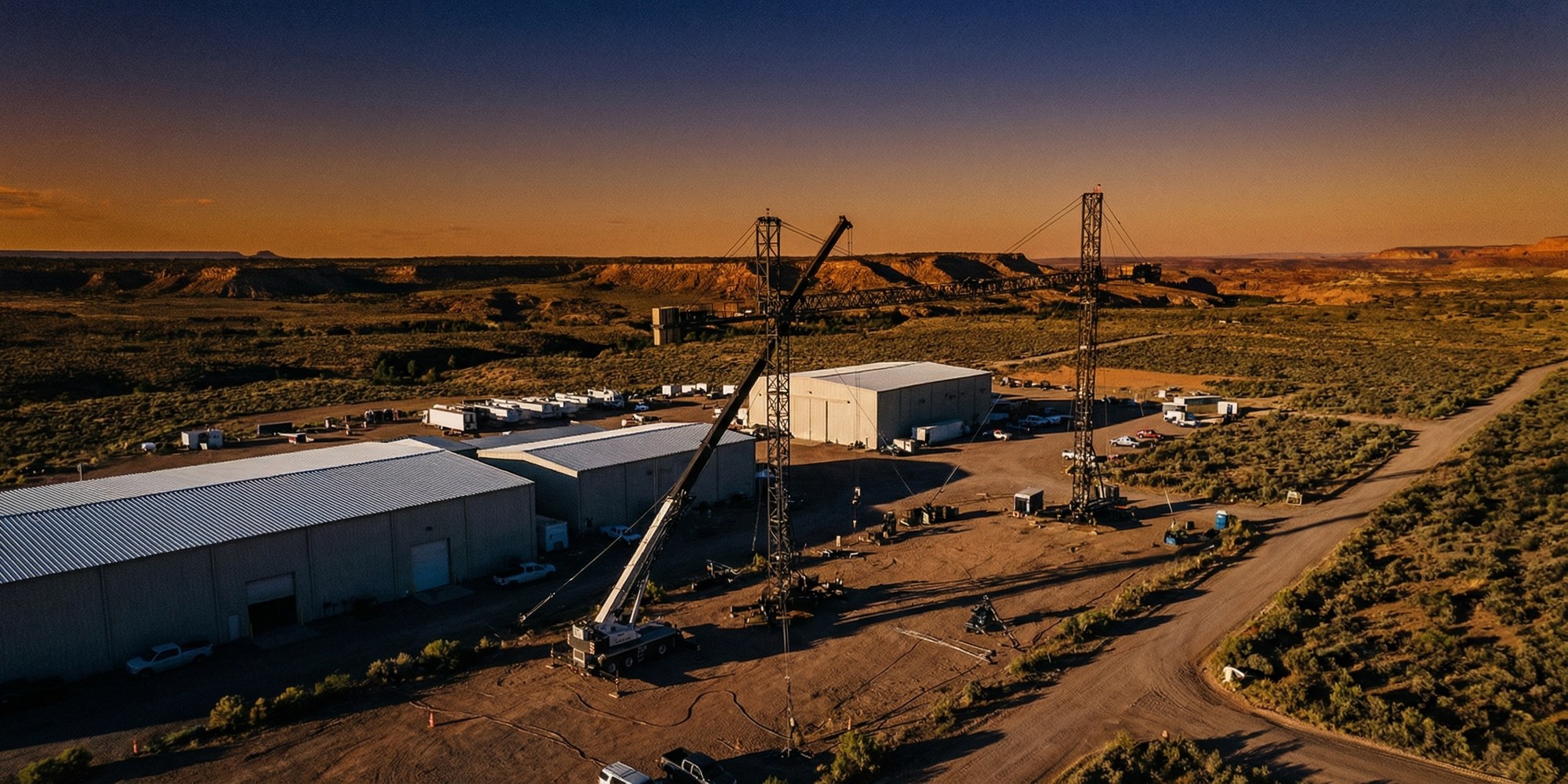
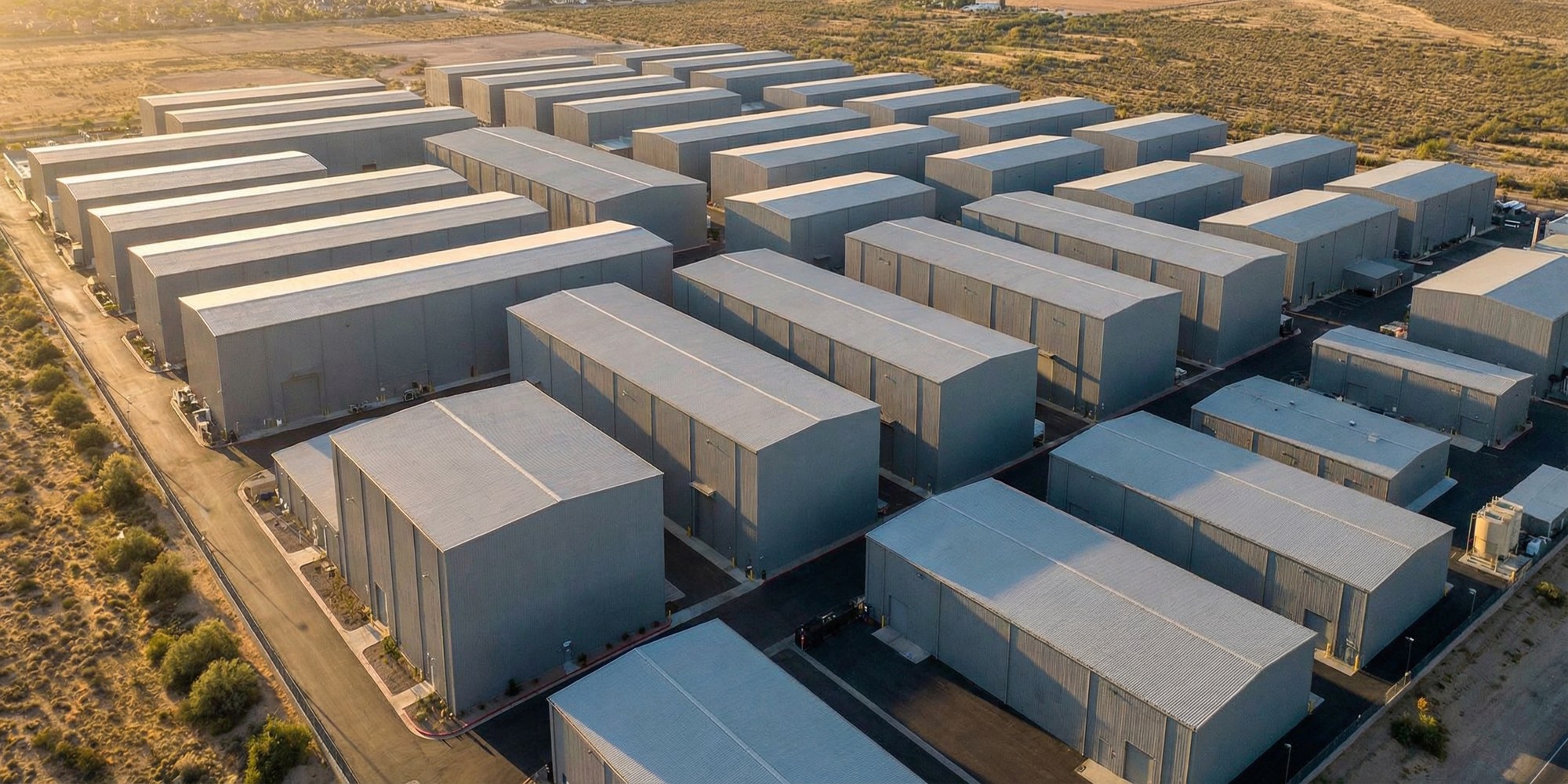
In 2014, a private developer broke ground on a 700-acre film campus 30 miles south of Atlanta. That decision — to commit hundreds of millions of dollars to permanent studio infrastructure in rural Fayette County, Georgia — wasn't made on faith. It was made because Georgia's film tax credit had been running continuously since 2008 and showed no sign of reversal. Trilith Studios, now home to a significant share of Marvel's production slate, is what a stable tax credit eventually looks like in physical form. Nevada has no equivalent. The reasons why reveal how an infrastructure gap perpetuates itself.
The Credit-to-Construction Timeline
When a state launches a film production incentive, the first wave of benefit is visible and immediate: productions arrive, crews get hired, hotels fill up, catering companies win contracts. The second wave is harder to quantify but ultimately more consequential — private investors begin building permanent infrastructure in response to demonstrated, recurring demand.
Georgia's credit launched in 2008. It took six years before Pinewood Atlanta (now Trilith Studios) opened in 2014. The logic was straightforward: a stable, uncapped credit backed by a mandatory audit mechanism had created enough production certainty that a major private investment could be responsibly underwritten. Trilith now operates 22 purpose-built soundstages across its 700-acre campus, and the private capital that built and expanded it runs into the hundreds of millions of dollars. Marvel Studios, which has used the complex for Avengers: Endgame, Black Panther, and numerous other releases, established a sustained production relationship precisely because the infrastructure is permanent, reliable, and adjacent to an established crew base.
The pattern repeated in New Mexico. After the state expanded and stabilized its film incentive program — a sliding-scale credit between 25 and 40 percent, audited annually against resident hire performance — Netflix announced a commitment of up to $1 billion in New Mexico productions over a decade, anchored to the Albuquerque Studios facility the company took over and expanded starting in 2018. The result: New Mexico now has one of the most recognized production infrastructure ecosystems in the country, with dedicated stage capacity capable of handling multiple concurrent large-scale productions. As the New Mexico Film Office describes it, the state is home to "one of the world's most established and fastest growing film industries" — a claim rooted not just in incentive design, but in the physical infrastructure that followed from it.
The Motion Picture Association quantifies part of why infrastructure density matters: a single production can inject up to $1.3 million per day into the local economy. Stage infrastructure enables back-to-back and concurrent productions — the economic multiplier isn't just per-production, it compounds when a state has the physical capacity to run several productions simultaneously rather than accommodating them one at a time.
Georgia's $4.4 Billion Infrastructure Network
Georgia's film economy has generated $4.4 billion in direct income, with the broader creative economy impact estimated at $29.2 billion when indirect contributions are factored in, according to economic analysis published by GeorgiaEntertainment.com. That direct income figure rests on a physical foundation: over 100 production facilities operating across the state, from major studio complexes to smaller location support infrastructure dispersed across Atlanta's metropolitan region.
The Trilith model represents the high end of what a credit-to-construction cycle can produce — a self-sustaining studio ecosystem built around production demand that the credit program made predictable. Crew members who train through the Georgia Film Academy know there will be productions to work on; productions that book Trilith stages know the crew will be there. The infrastructure and the workforce reinforce each other in a cycle that Georgia spent sixteen years building.
Georgia certified $2.6 billion in production spending in FY2024 alone — a volume that would not be possible without the physical stage capacity to host it. Tax credits attract the first productions; permanent infrastructure enables the volume that makes a state a sustained production hub rather than an occasional filming location.
Nevada's Infrastructure Status Quo
Nevada currently has no dedicated film-grade soundstage complex operating at production scale in Clark County. Las Vegas offers large-format venues — convention halls, hotel ballrooms, arena spaces — but these are not designed for the controlled lighting environments, electrical capacity, load-bearing grid infrastructure, or rigging systems that professional production requires. The state lacks the purpose-built physical layer that makes it possible to host major studio productions independent of location shooting and weather contingency.
This is a classic chicken-and-egg problem, and it is not unique to Nevada. Without a film tax credit program creating recurring demand, there is no rational basis for private investors to build dedicated production infrastructure in Las Vegas. Without dedicated production infrastructure, Nevada cannot credibly commit to hosting back-to-back productions at scale, which limits the economic case that advocates make for a credit program in the first place. Georgia and New Mexico both broke this cycle by establishing stable, long-term credit programs first and allowing private capital to respond. Nevada has not yet made the initial policy commitment that would catalyze the first construction response.
The economic cost is visible through what's absent. Bureau of Labor Statistics data for NAICS 512 (motion picture and sound recording industries) shows average hourly earnings of $43.88 as of January 2026. Nevada's estimated 14,670 potential direct and indirect film jobs — a figure derived from MPA state employment analysis — represent wages that currently flow to Georgia, New Mexico, New Jersey, and New York rather than to Nevada workers. The infrastructure gap is the mechanism through which that wage opportunity stays elsewhere.
What Nevada's 2027 Legislature Is Actually Deciding
The 2027 legislative session is not only a question of whether to offer a tax credit. It is a question of whether to set the conditions that allow private capital to begin a construction response. Georgia's Trilith didn't appear in 2008 — it appeared six years later, after sufficient production volume demonstrated that permanent infrastructure could earn a return. New Mexico's Netflix commitment followed a similar trajectory: incentive program first, infrastructure investment second, production volume third.
Nevada's geographic advantages are real. The state sits within a four-hour drive of Los Angeles — closer than Albuquerque by a significant margin — and offers the varied terrain (desert basin, mountain escarpments, urban skyline) that producers consistently seek. An established IATSE Local 720 workforce of approximately 4,000 entertainment workers already exists in Las Vegas. These assets are not in question. What is absent is the policy signal that converts location potential into production volume, and production volume into the private infrastructure investment that makes volume sustainable. For more on Nevada's competitive standing among Western production markets, see our analysis of New Mexico's $5.75 billion film economy and the three-year Georgia production data.
The question for Nevada's legislators isn't whether the state can replicate Georgia after sixteen years of compounding investment. The question is whether 2027 creates the conditions for the first six years of that cycle to begin — and whether Nevada's geographic and workforce advantages will still be available when the construction response eventually arrives, or whether they will have been absorbed by the states that kept legislating while Nevada waited.
The infrastructure gap is real. It is also, by the evidence of every state that has closed it, the predictable consequence of a missing policy signal — and one that a stable, well-designed credit program is capable of reversing. For context on how other states built their production industry ecosystems, see the full Industry Analysis archive.