In 2010, Georgia had roughly 45,000 square feet of dedicated film stage space — roughly the footprint of a large big-box retailer. By 2024, that number had grown to more than 4.5 million square feet, making the state second only to Los Angeles for production capacity in the United States. That hundred-fold expansion was not funded by Georgia taxpayers. It was driven almost entirely by private real estate investment that followed the state's commitment to a stable, long-term film tax incentive. For Nevada — a state that watches comparable economic development deals form in other jurisdictions while its own legislative debates drag — Georgia's infrastructure story is not just instructive. It is a direct warning about the cost of inaction.
Georgia's Infrastructure Cascade: Policy Certainty as a Construction Catalyst
The relationship between Georgia's film tax credit and its studio construction boom is not incidental — it is causal, and the data make the mechanism clear. According to a comprehensive economic impact study published by Olsberg SPI on behalf of the Georgia Screen Entertainment Coalition, $1.28 billion was spent on new studio construction, facility expansions, and building conversions in Georgia between fiscal year 2012 and fiscal year 2022. A further $2.93 billion in studio construction is planned for FY2023 through FY2027. The Olsberg SPI study found that studio owners and operators confirmed 100 percent of that planned investment is contingent on the continuation of a stable tax incentive.
What does $4.21 billion in private studio construction actually look like on the ground? Georgia now hosts approximately 5.7 million square feet of dedicated stage space across 212 stages, with more than 800,000 square feet of that capacity added just since January 2023. Trilith Studios in Fayetteville — the state's largest facility — encompasses a 700-acre campus with 32 soundstages. Assembly Atlanta in Doraville opened as a major new campus in FY2024. According to Variety's reporting on Georgia's production facilities, the state is projected to reach 7 million square feet of total stage space by 2025, surpassing New York and cementing its position as the dominant U.S. film market outside California.
None of this was built with government funds. The public investment — in the form of transferable tax credits — created the policy certainty that allowed private investors to commit capital at scale. Studio construction carries a long investment horizon; a developer building a 300,000 square foot soundstage campus needs confidence that production companies will keep shooting in the state for the next ten to twenty years. The tax credit is the instrument that provides that confidence. Remove it, and the investment calculus collapses. Georgia's legislators have understood this since 2008, when they revised the incentive structure that set the cascade in motion.
New Mexico: How Netflix Built a 108-Acre Private Campus
Georgia's story is the largest example of a film-credit-driven real estate cascade in the United States, but it is not the only one. New Mexico offers a more compact and more recent illustration of the same dynamic — one centered on a single corporate investment that transformed Albuquerque's production landscape.
Netflix established its presence at ABQ Studios in Albuquerque's Mesa Del Sol development initially across 28 acres with eight soundstages totaling 132,000 square feet. The State of New Mexico's continuous film incentive program — which offers a 25 to 35 percent production tax credit depending on production type — provided the policy floor that made sustained investment rational. Six years after Netflix's initial commitment, the company unveiled a major expansion: four additional soundstages, three mills, dedicated production office space, backlot areas, and supporting infrastructure spread across 108 total acres. The City of Albuquerque celebrated the expansion as one of the largest high-tech and sustainable film production facilities in North America.
The Netflix campus was not the only beneficiary of New Mexico's incentive stability. Cinelease, a major studio equipment and facilities provider, announced a $95 million expansion of its Pan American facility in Albuquerque over five years. Multiple independent soundstage developers have followed production into the state. The pattern in New Mexico mirrors Georgia's at a smaller scale: policy certainty converts speculative developers into committed investors.
What Nevada's Collapsed AB238 Deal Represents in Real Estate Terms
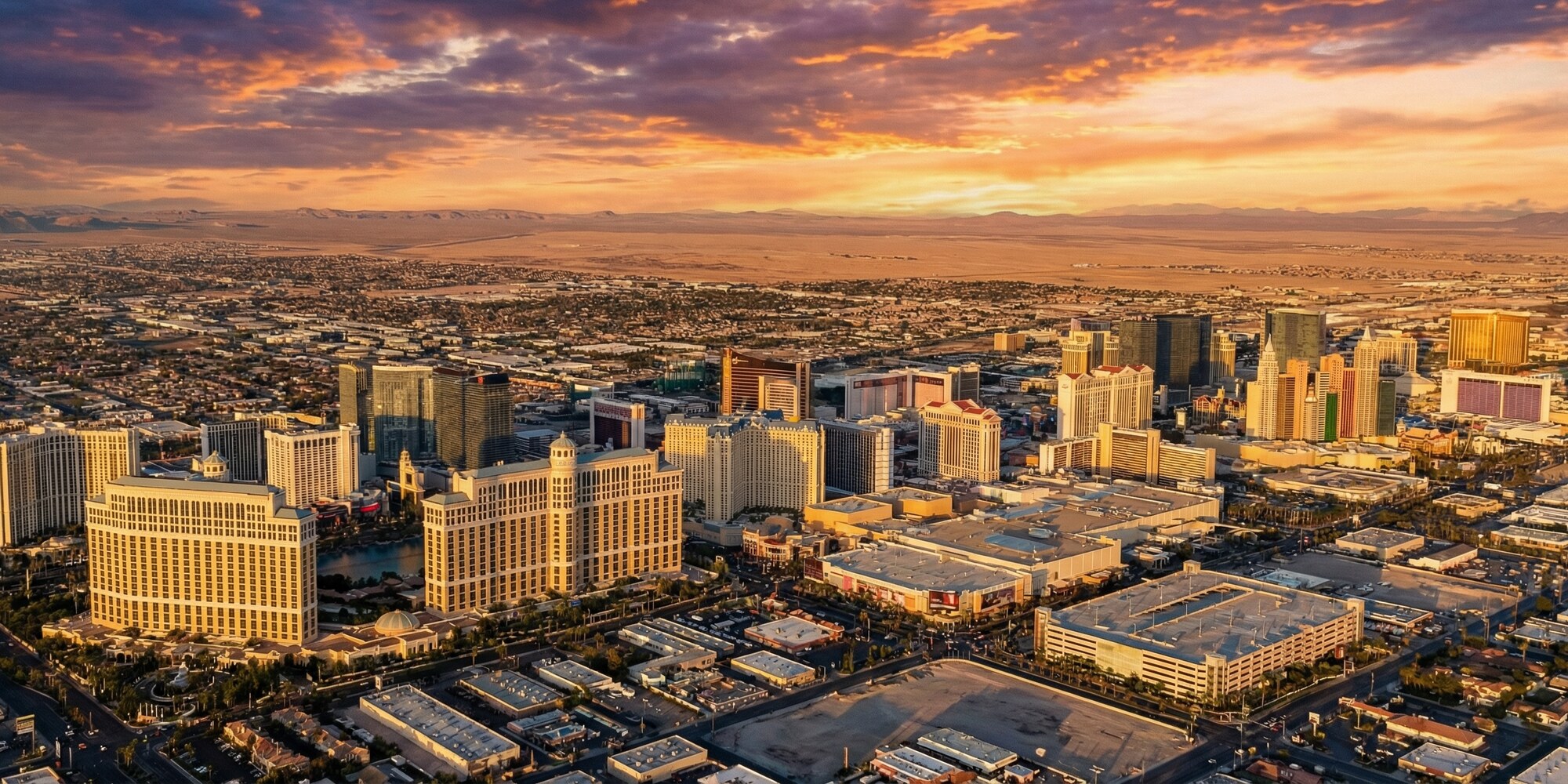
Against this backdrop, Nevada's legislative history on film incentives is not merely a policy frustration. It is a quantifiable real estate and infrastructure loss. The bill that died when the Nevada State Legislature adjourned its 36th Special Session in November 2025 without a vote — the revised AB238 — carried with it a commitment of $1.8 billion in private capital investment attached to the proposed Summerlin Studios project. That development, backed by Howard Hughes Holdings as the Summerlin master-planned community developer with the support of Sony Pictures Entertainment and Warner Bros. Discovery, envisioned a 31-acre film production hub in Las Vegas featuring multiple soundstages, production offices, and supporting infrastructure.
The $1.8 billion figure encompassed construction, equipment, and development not just at the studio site itself but at the broader mixed-use context of the Summerlin development. Critics argued — with some merit — that the structure of the deal blurred lines between studio investment and adjacent real estate development. But the core infrastructure commitment was real: without the legislature's approval of a transferable tax credit framework, no studio campus gets built. The $1.8 billion in private capital that was on the table did not find an alternative home in Nevada. It simply did not deploy.
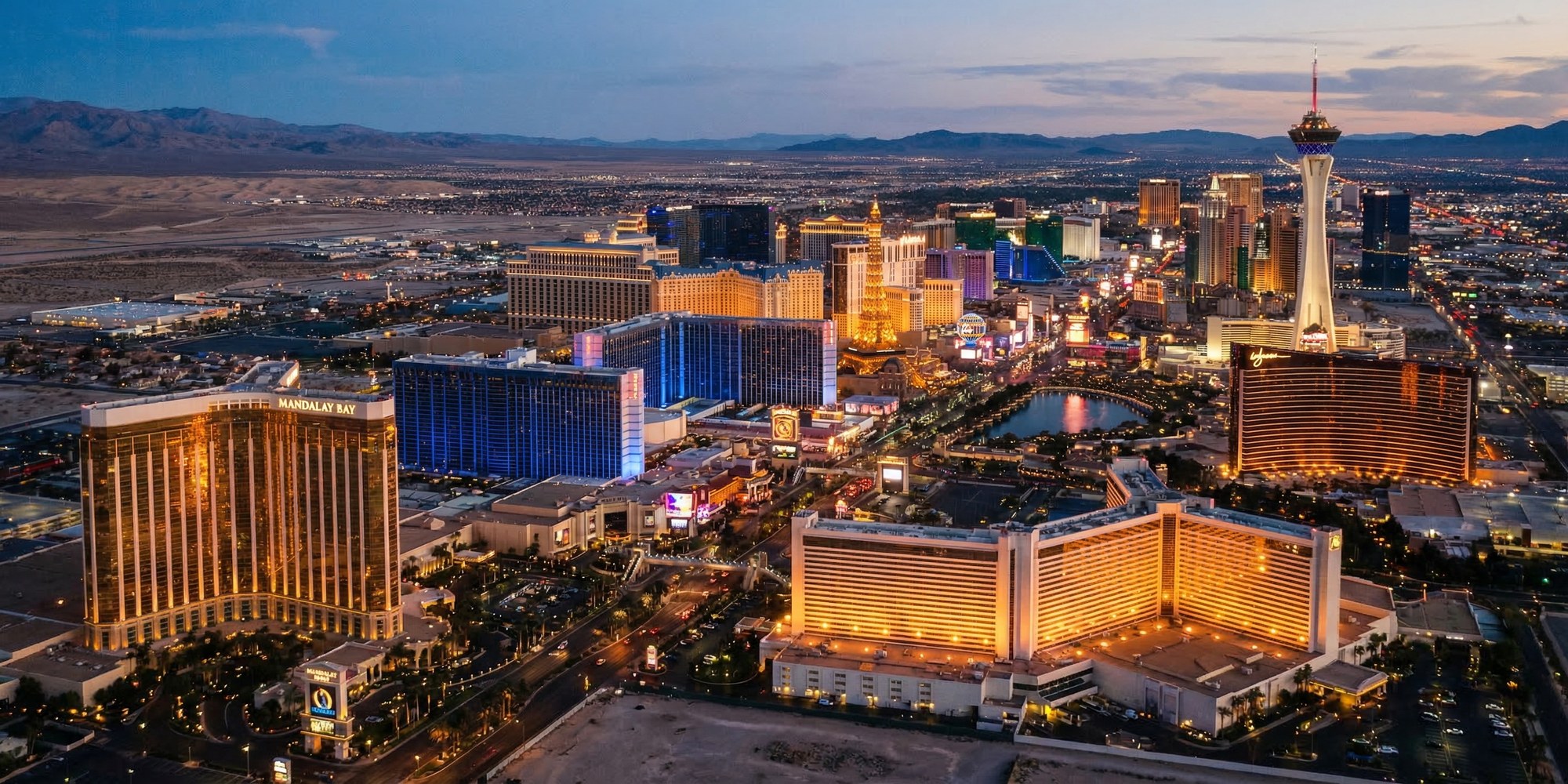
For context: Nevada currently has no dedicated film soundstage infrastructure of meaningful scale. While the state offers event venues, hotel ballrooms, and an assortment of production-adjacent spaces, it cannot host a major studio production requiring 50,000 or more square feet of controlled stage environment. Every large-scale production that scouts Las Vegas as a location — and they do; the Strip's visual identity is genuinely unique — ultimately films elsewhere because the technical infrastructure does not exist. A studio campus would change that calculus permanently.
What This Means for Nevada
The economic development case for Nevada's film tax credit has typically been framed around production spending: how much do film crews spend locally, how many jobs do they create, what is the fiscal return on the state's credit investment? Those are legitimate questions, and the evidence from comparable states — covered in detail in our analysis of Georgia's $11 billion film economy — supports the program's value. But the real estate dimension is underappreciated.
Studio facilities are permanent economic infrastructure. Unlike a film production that shoots for twelve weeks and leaves, a soundstage campus generates lease revenue, creates permanent technical jobs, anchors supplier networks, and appreciates in value as the regional production cluster matures. Georgia's 4.5 million square feet of stage space generates year-round economic activity regardless of whether a specific film is in production on any given week. New Mexico's Netflix campus has become an anchor institution for Albuquerque's creative economy in the same way a university or hospital anchors a neighborhood.
Nevada's Nevada Business landscape — defined by gaming, hospitality, and real estate — is exactly the kind of diversified private sector that knows how to build and operate large-scale entertainment infrastructure. The development, construction, and hospitality sectors that make Las Vegas function are directly applicable to studio campus development. What those sectors lack is the policy signal from the legislature that says: the credit will be there, the productions will come, and the investment will be protected. When Nevada's next legislative session opens that window, the infrastructure investment that Georgia and New Mexico have accumulated over a decade could begin to accelerate here. The question is how long the state can afford to wait before that private capital finds a permanent home somewhere else.